My earlier work in Okinawan marine biology and ancient genomes still shapes how I think. Both fields taught me to question what the data can really support.
Marine biology and environmental genomics
From reef organisms to genomic questions
My field work began with real organisms in a changing reef. During a research stay at OIST from 2021 to 2022, I learned coastal environmental DNA sampling and safe field methods. That experience still pushes me to trace every computational result back to its sample and environment.
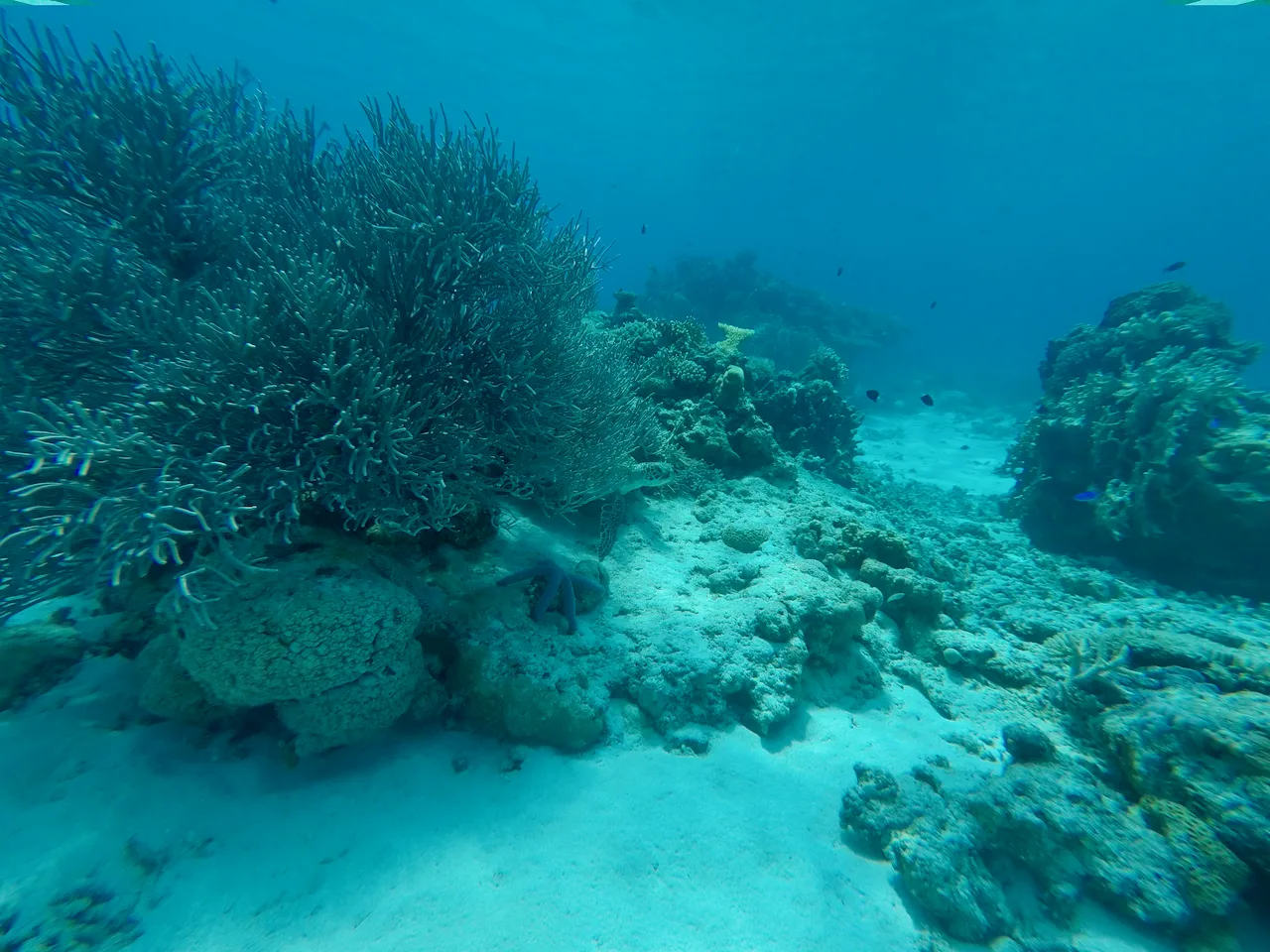
Field to workflow
Environmental context matters
Sampling decisions become analytical assumptions. Following the chain from water collection to sequencing and inference strengthened my interest in traceable workflows, careful validation, and ecological interpretation.
Continuing questions
Adaptation and symbiosis
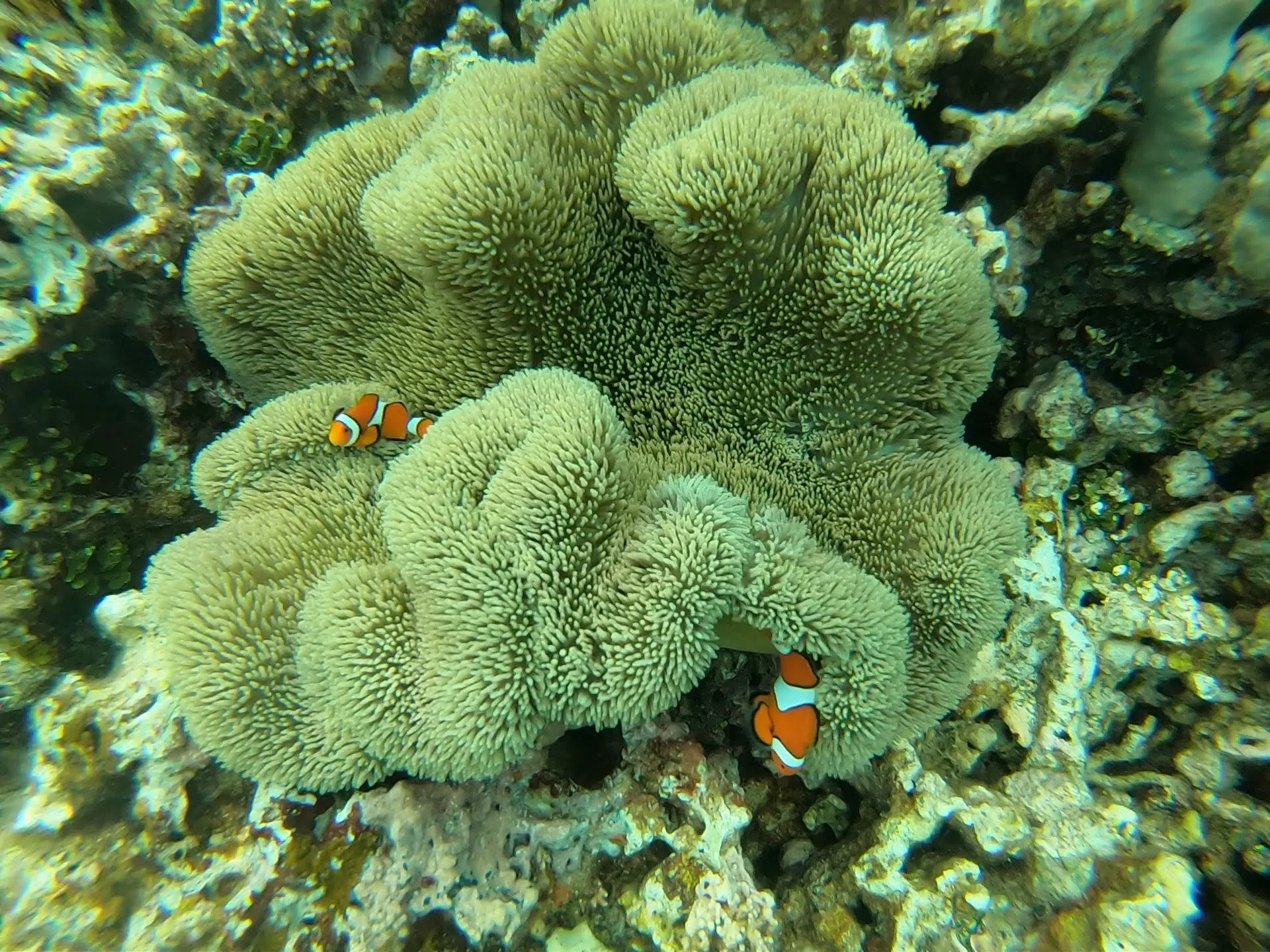
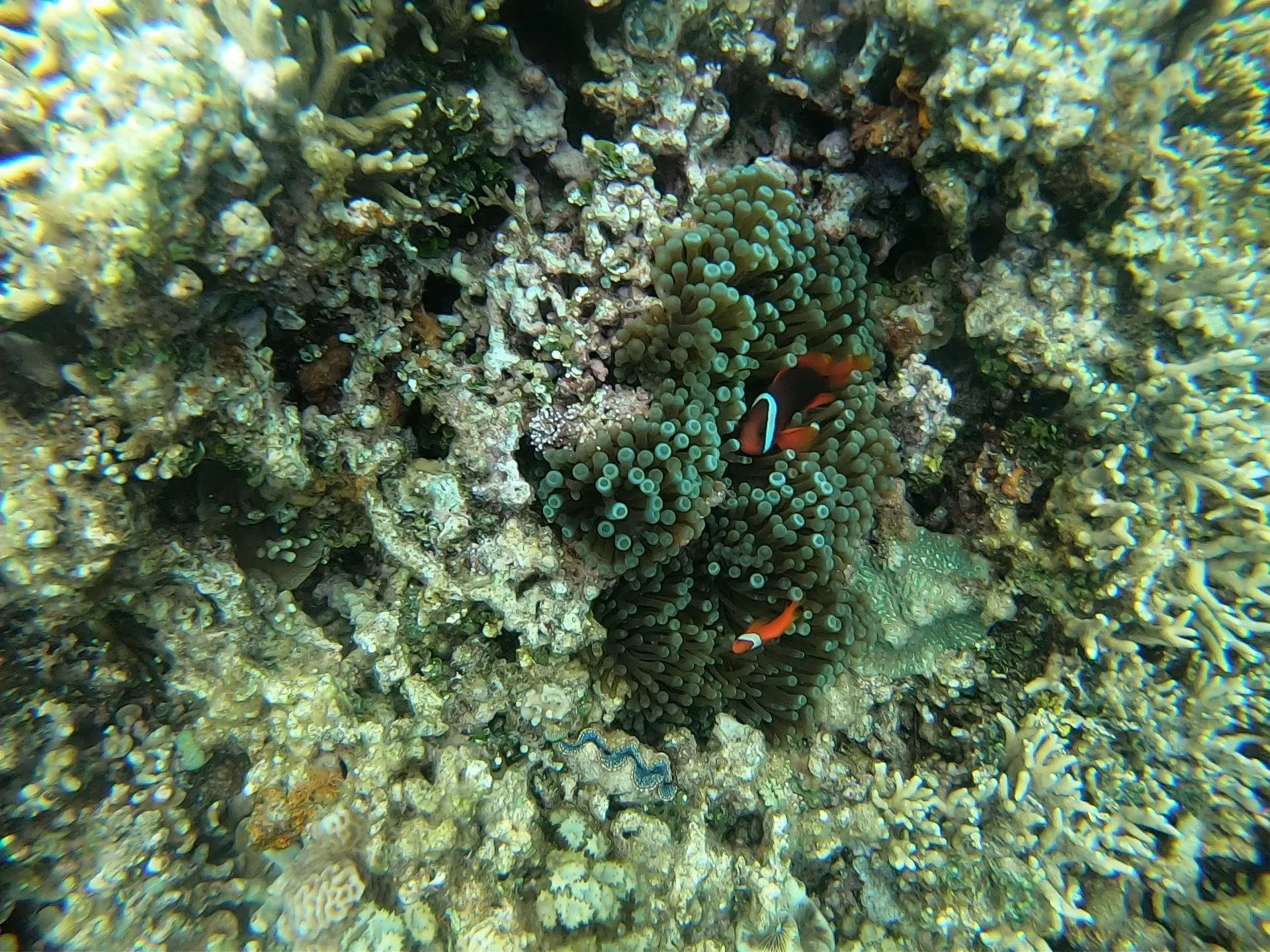
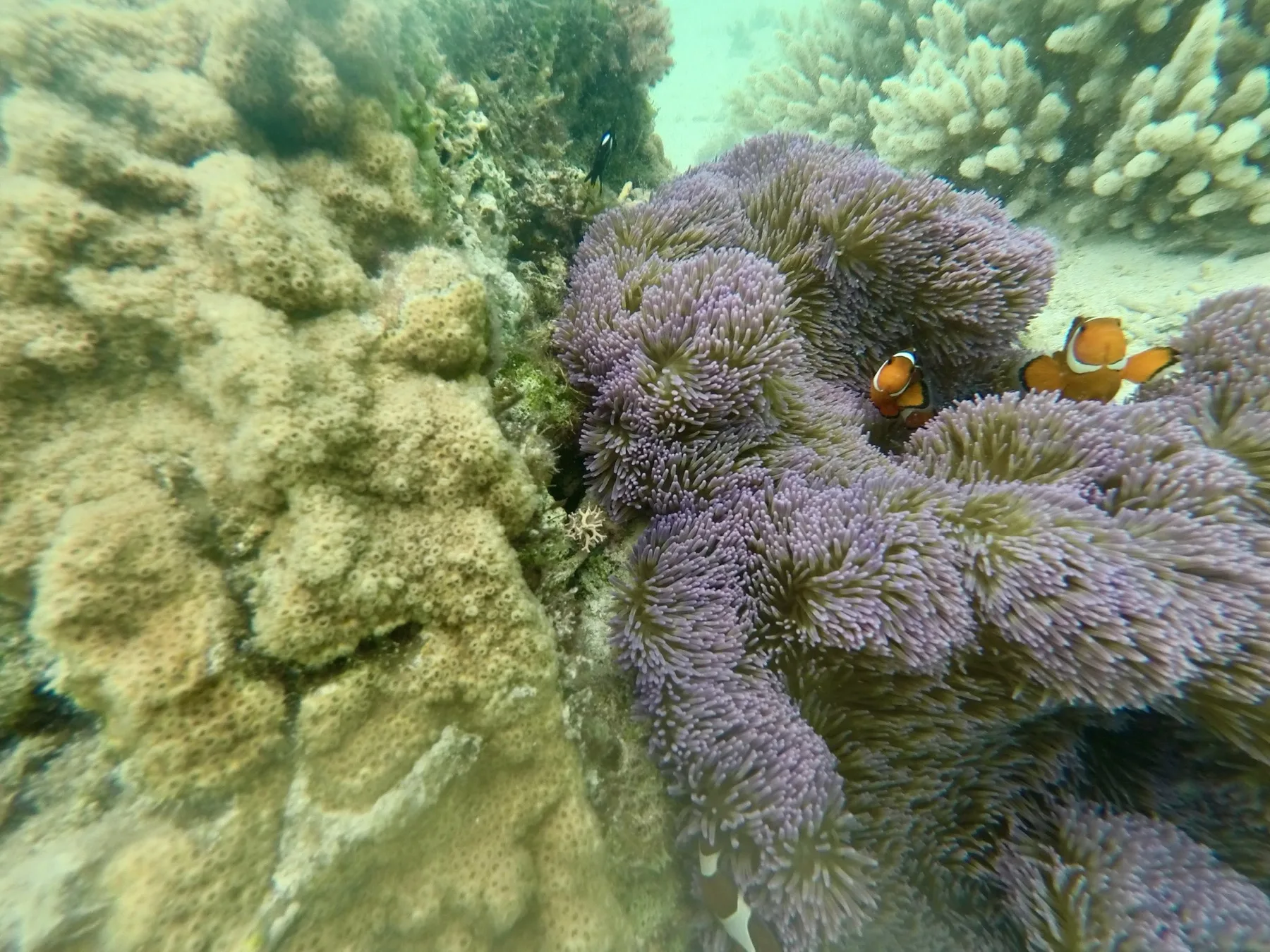
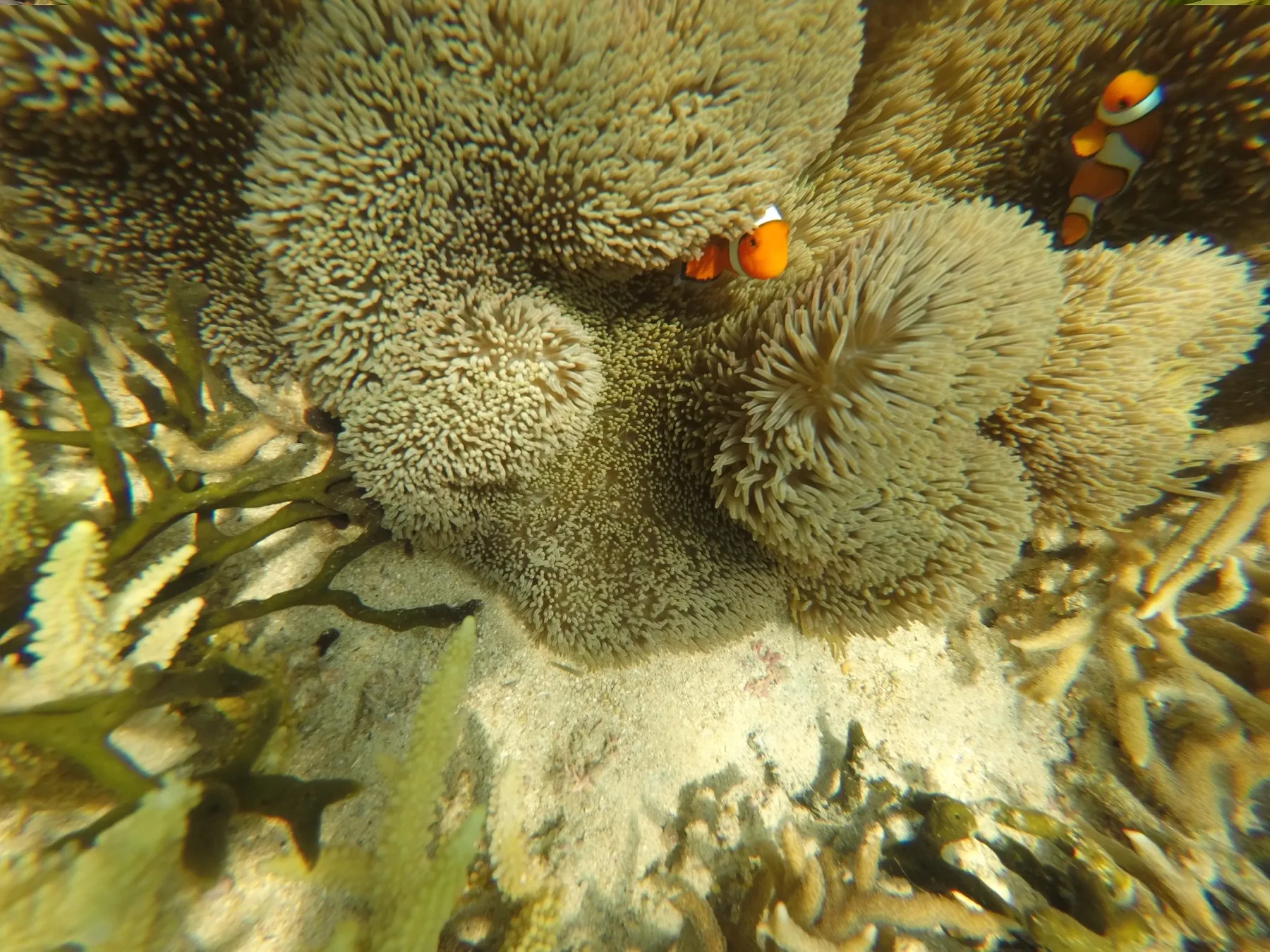
I continue to study how anemonefish relate to their hosts and how transposable elements respond to ocean acidification. These systems show how genomes meet a changing environment.
Comparative and environmental genomics
Reef systems as natural experiments
My work in coral reef genomics asks how organisms adapt and live in symbiosis as their environment changes. It gives me a wider view of the same core problem: how context changes biology.
See how I keep the research notebook traceable
entacmaea-researchSmall helpers create dated research notes and convert older records without committing them automatically.
./scripts/newlog.sh
./scripts/txt2md_git.shAncient intelligence and population genomics
What ancient genomes can tell us, and where they fall short
My doctoral research asked whether modern genome wide association studies could support comparisons of polygenic scores across ancient and present day populations. The limits are serious. Ancient genomes are incomplete, populations differ, and modern effect estimates do not travel cleanly across ancestry or time.
Journal of Human Genetics · 2022
Inferring intelligence of ancient people
With Naruya Saitou, I described an exploratory genomic framework and the interpretive cautions required when connecting polygenic evidence to complex traits in ancient populations.
SOKENDAI · 2024
A doctoral bridge
My thesis brought together intelligence in ancient humans and adaptation in coral reef fish. Both studies asked how much a genomic signal can reveal when biological and historical context is incomplete.