My research follows clinical questions into microbiology, genetics, and tissue biology. My thesis adds a wider view: how genomes relate to human history and environmental change.
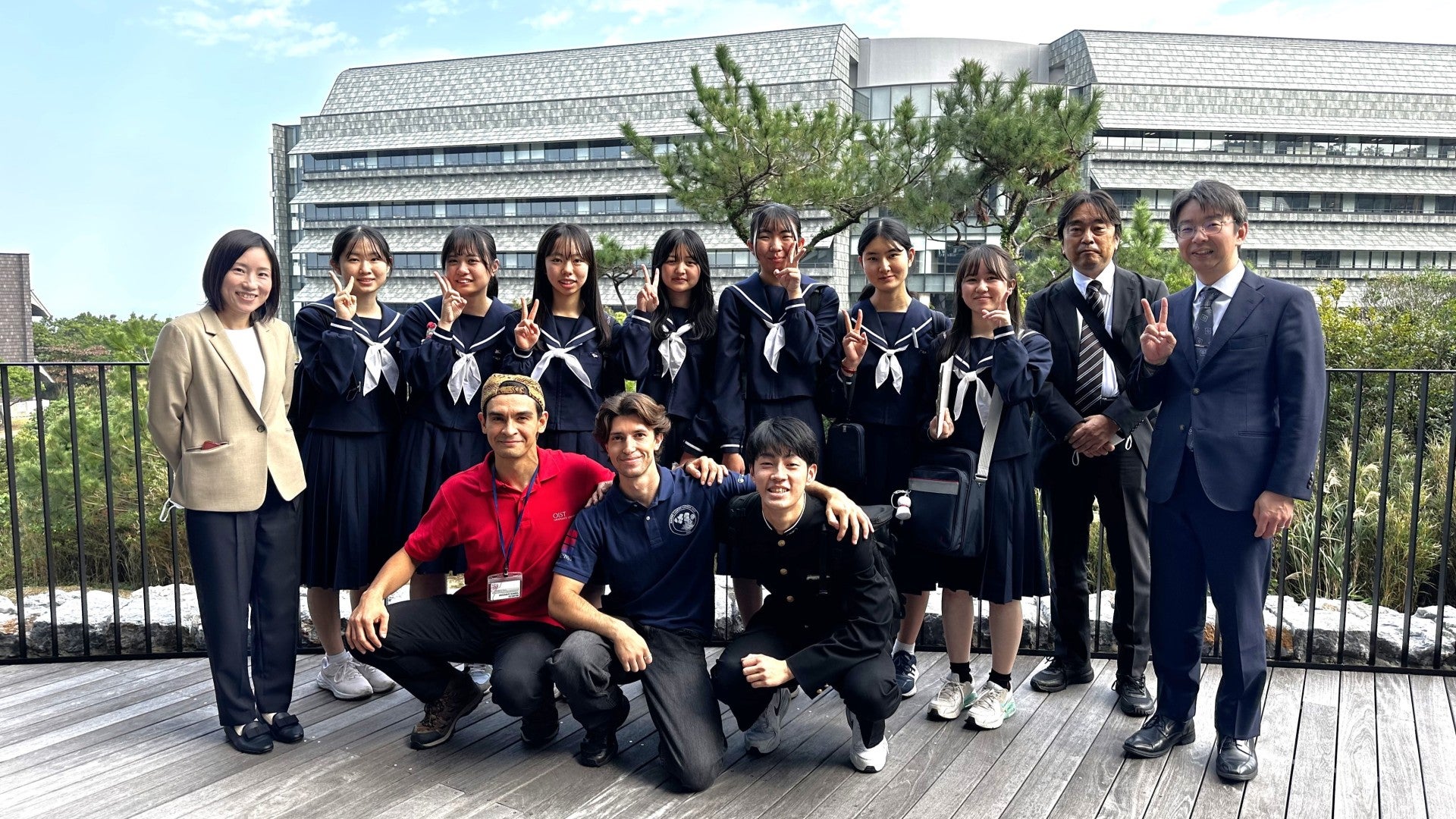
Related public engagement: Oita Glocal feature on science, education, and regional collaboration.
Projects at a glance
Four questions, four kinds of evidence
Tissue to model
Digital Pathology and In Silico Gene Perturbation
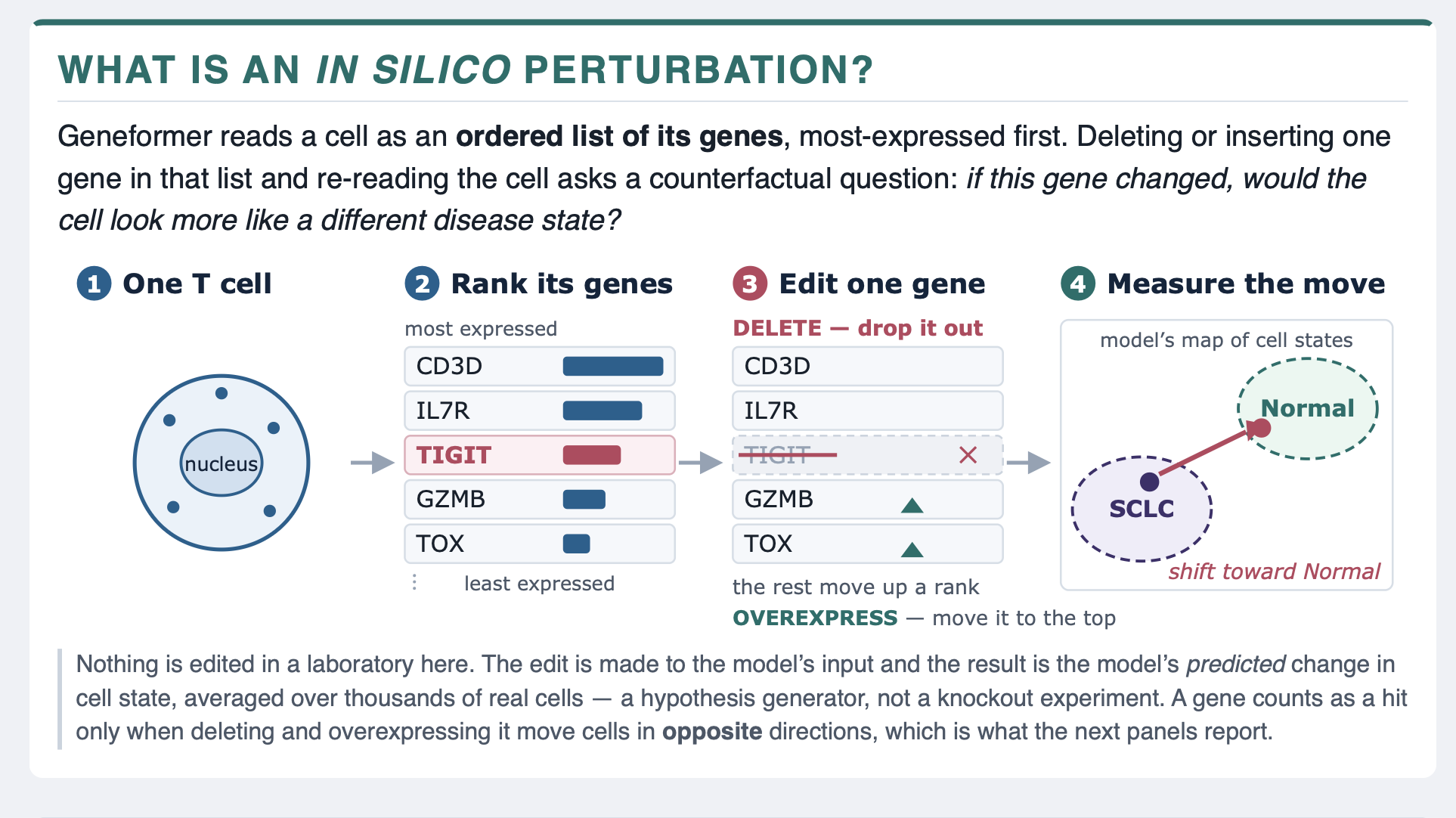
At Hokkaido University I work with whole slide images and spatial biology in small cell lung cancer. I use Geneformer to predict how deletion or overexpression of one gene changes an SCLC T cell representation. The model can point to a candidate regulator. It cannot prove that the gene controls the cell. I test whether the signal holds across donors and whether tissue evidence supports it.
See how I check donor consistency
donor_consistency.pyThe analysis groups predicted shifts by donor, then checks whether each donor points in the same direction as the full result.
cells["shift"] = shifts
by_donor = cells.groupby("individual")["shift"].agg(["mean", "count"])
overall_mean = float(np.mean(shifts))
overall_sign = np.sign(overall_mean)
same_sign = np.sign(by_donor["mean"]) == overall_signClinic meets microbiology
Infectious Diseases and Host Pathogen Dynamics
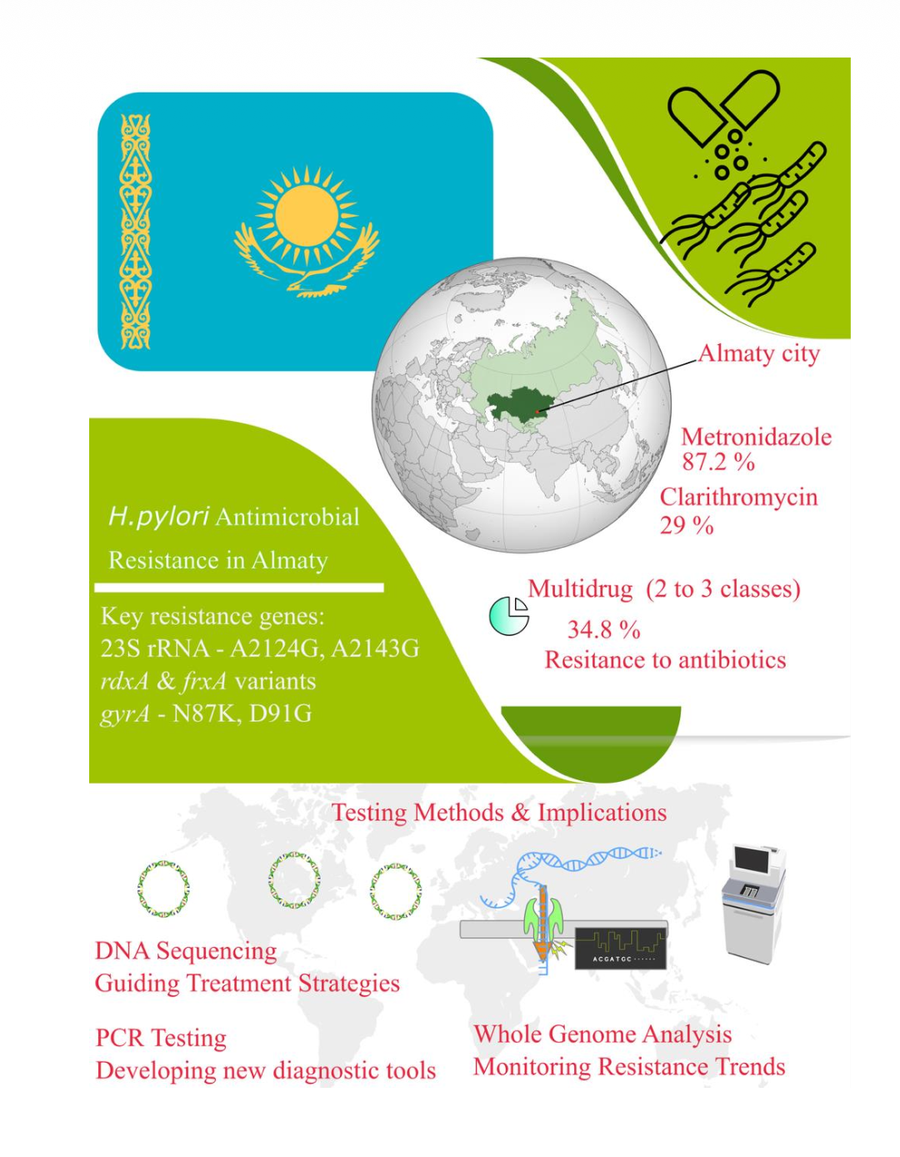
My Helicobacter pylori work starts with patients in Kazakhstan, a common primary care problem. I connect clinical records with culture, epidemiology, and antimicrobial resistance. That local evidence can sharpen regional surveillance and first line treatment decisions.
Clinical practice · Care to evidence
Clinical Practice and Evidence
General practice taught me to work with incomplete information. It also taught me that an elegant analysis is useless if it does not fit real care. I carry that lesson into research on primary care, infectious disease, palliative care, cancer genetics, and immune disease. Read more about my clinical practice.
Related clinical work
- Palliative care workforce wellbeing in Kazakhstan
- Aspirin intolerance in acute coronary syndrome, case report
- Pathogenic BRCA2 variant in metastatic prostate cancer, case report
- EHBP1 rs721048 variant in prostate and colorectal cancer in the Kazakh population
- Late diagnosis of postpartum colorectal cancer, case report
- Macrophage activation syndrome in juvenile dermatomyositis, systematic review
- Adalimumab in pediatric Behçet’s disease, case based review
Genome to risk
Polygenic Risk Score Pipelines
I compare polygenic scores across ancient and present day populations. The hard part is not producing a score. It is handling variants clearly and judging whether an effect estimate can travel across ancestry and time.
See how the score is calculated
pgs_calculator_1402snps.RThe script matches each observed allele to its reported effect allele, collects the matching effects, and sums them for each person.
for (v in 1:nrow(df2)) {
  trial1 <- as.matrix(as.character(df2[v, ]))
  picker1 <- which(trial1 == ref_test1)
  effect_subject1 <- ref_effect1[picker1]

  snp_count1 <- length(picker1)
  effector1 <- sum(effect_subject1)
}Model to mechanism
Machine Learning and Bioinformatics
I write workflows that another researcher can inspect and rerun. I document the inputs, the evaluation boundary, and the failures. Speed helps. Biological meaning matters more.
Doctoral research · Environment and gene expression
Transposable elements in a changing ocean
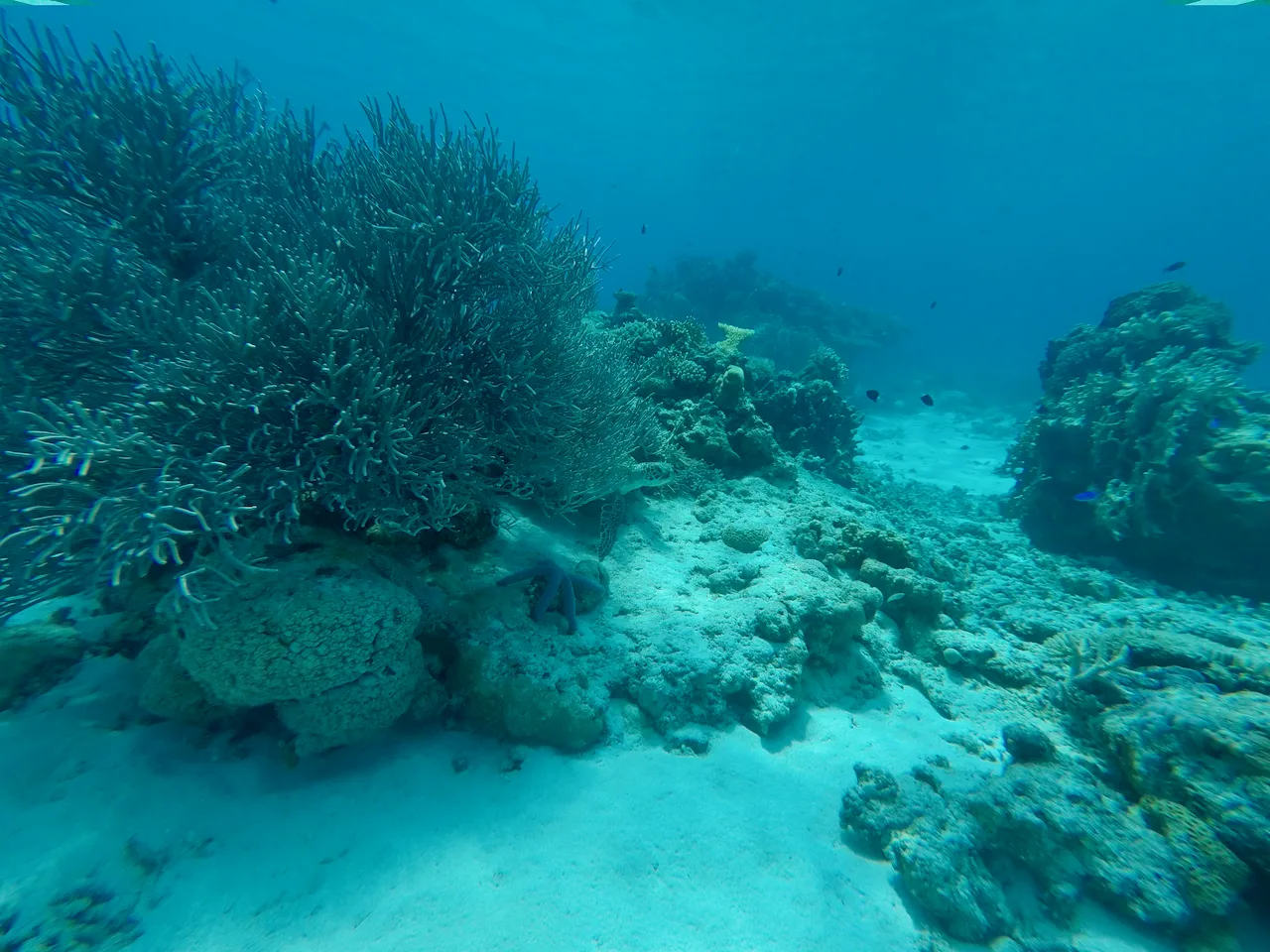
My thesis examined 72 brain transcriptomes from Acanthochromis polyacanthus, a coral reef damselfish. The dataset compared control, acute, developmental, and transgenerational carbon dioxide exposure, with offspring from tolerant and sensitive parents.
I examined TE related transcripts alongside broader gene expression patterns. The work suggests questions about genome regulation and brain plasticity that need further investigation. Transcript abundance alone does not establish transposition or a regulatory mechanism.
Explore the public figures and evidence ↗
Read the thesis record ↗
People and places
Research is a team sport
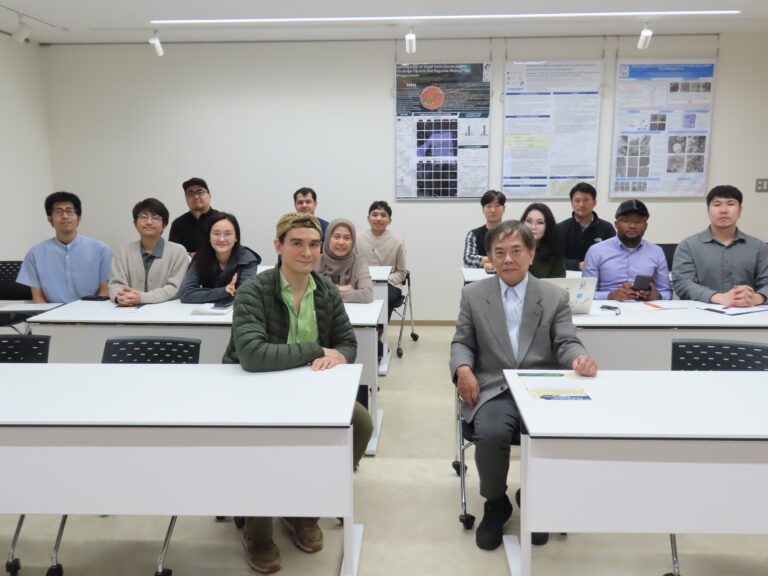
Collaborators and mentors across Kazakhstan, Japan, Australia, and the United States.
Current base
Hokkaido University
Postdoctoral research in digital pathology, whole slide imaging, genomics, bioinformatics, and translational medicine.
Clinical and regional collaboration
Kazakhstan and Japan
Clinical research and infectious-disease partnerships connect patient questions with microbiology and epidemiology.
Field and methods
OIST and international teams
Marine fieldwork and computational collaborations keep samples, methods, and interpretation connected.